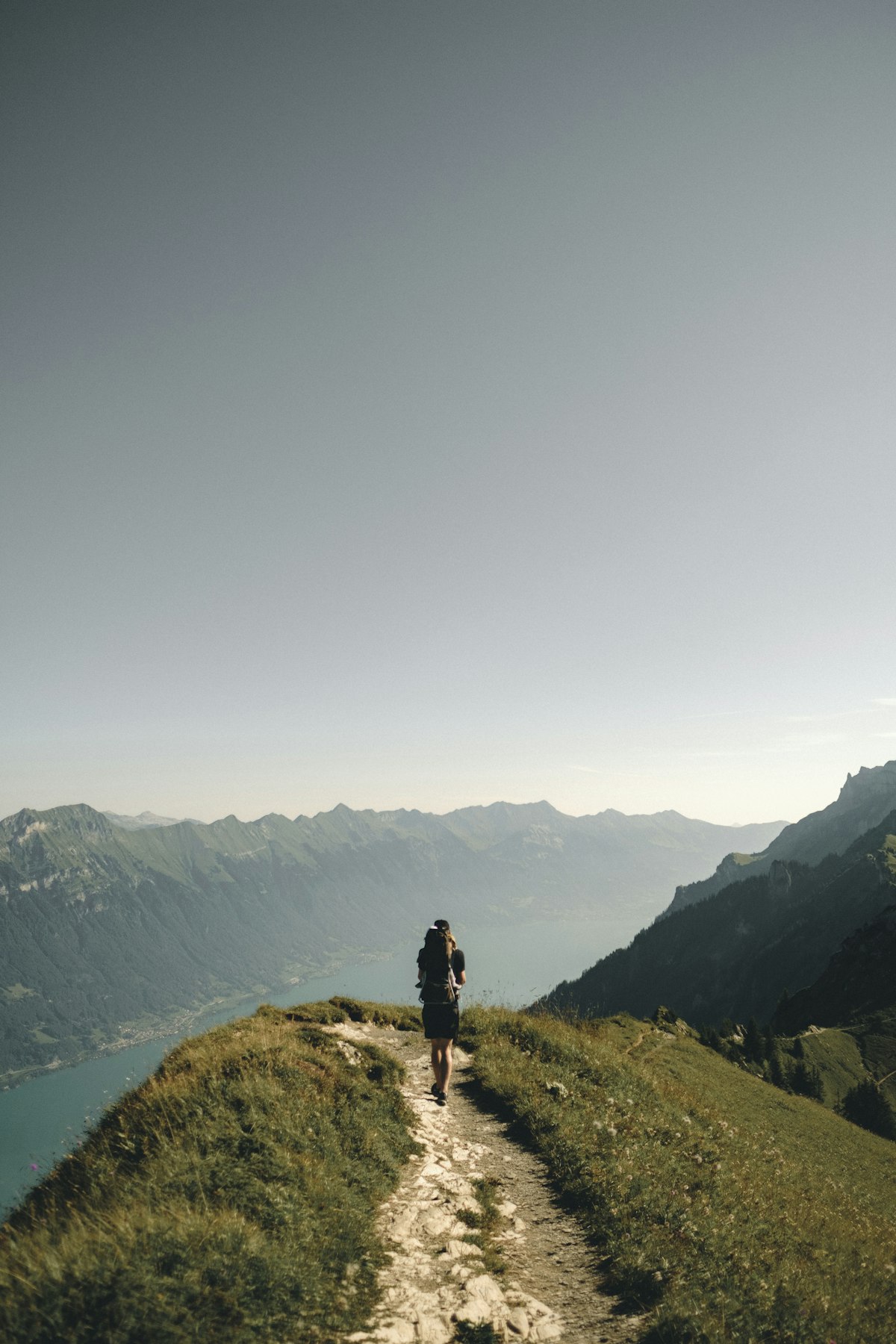
In the age of GPS apps and smartwatches, knowing how to read a paper map and use a compass might seem almost anachronistic. However, dismissing them is a critical error in judgment. In the mountains, cold weather drains batteries in hours, moisture glitches touchscreens, and a simple fall can break your only means of navigation. A map and compass never run out of battery.
Reading Relief Through Contour Lines
The foundation of navigation lies in understanding contour lines on a topographical map (ideally at a 1:25,000 scale). These brown lines connect points of equal elevation.
- Closely spaced lines: The terrain is steep, perhaps vertical.
- Widely spaced lines: The slope is gentle or flat.
- V-shapes pointing uphill: You are looking at a valley or a drainage area (talweg).
- V-shapes pointing downhill: You are looking at a ridge or a spur.
Using the Compass in Tandem
A compass isn't just for showing where North is. It allows you to orient your map so that it aligns perfectly with the actual terrain around you, or perform a triangulation to pinpoint your exact location when lost.
"A compass without a map is of little use; a map without a compass hides half the truth. Together, they form the most reliable navigation system on Earth."
To head toward a destination hidden by thick fog, take a bearing on your map (the angle between North and your target), transfer it to your compass, and follow the travel arrow. Practice during clear weather on familiar trails. The day heavy fog rolls in unexpectedly on a high plateau, this technical skill will keep panic at bay.