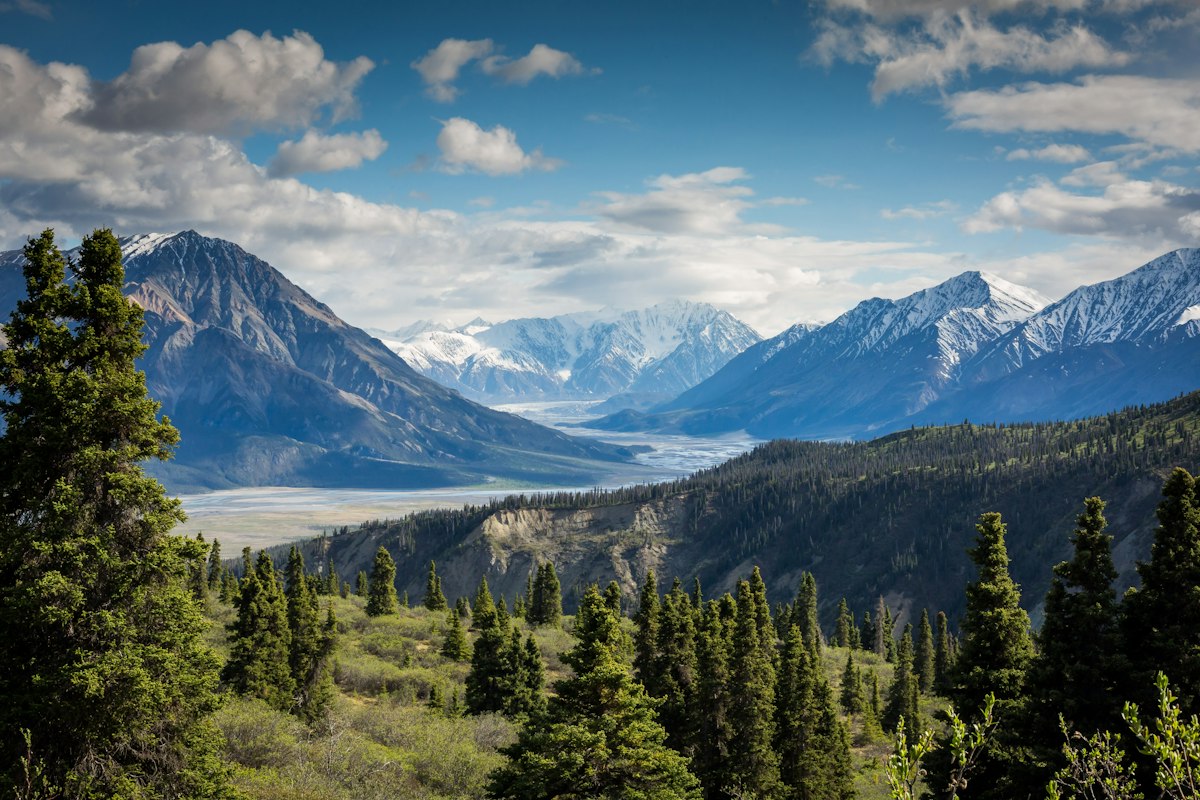
Group hiking offers shared joy and shared safety. Solo hiking offers absolute freedom, but forces you to face a mirror that can sometimes be destabilising. When conversations fade and the sound of your own footsteps becomes the day's only soundtrack, the true journey begins. Solo trekking is an intense psychological exercise.
The greatest challenge for the solo hiker is rarely the physical strain, but managing self-doubt. When facing a steep climb, incoming fog, or a sudden energy crash, the absence of a partner to share the mental load can amplify anxiety.
### Strategies to Build Mental Resilience * **Break down objectives:** Don't think about the 25km remaining in your day. Focus solely on the next pass, the next ridge, or the next hour of walking. * **The evening ritual:** Establish a strict routine upon arriving at camp (pitching the tent, changing clothes, cooking). Keeping your hands busy channels the mind and prevents late-day anxiety from creeping in. * **Embrace the silence:** At first, solitude feels heavy. After three or four days, the mind quietens. Parasitic thoughts dissolve, giving way to a healthy state of hyper-awareness and keen observation of nature.
"Alone, you go faster; together, you go further. But alone, you go deeper into yourself."
### Heightened Safety for the Soloist Going solo requires absolute discipline. You have no one to call for help if you twist an ankle. Always leave a precise itinerary with a loved one before departing, complete with estimated timelines. Using a satellite communication device (like a Garmin InReach) is a highly recommended investment: it allows you to send an SOS even far outside cellular coverage and reassures those waiting back home.