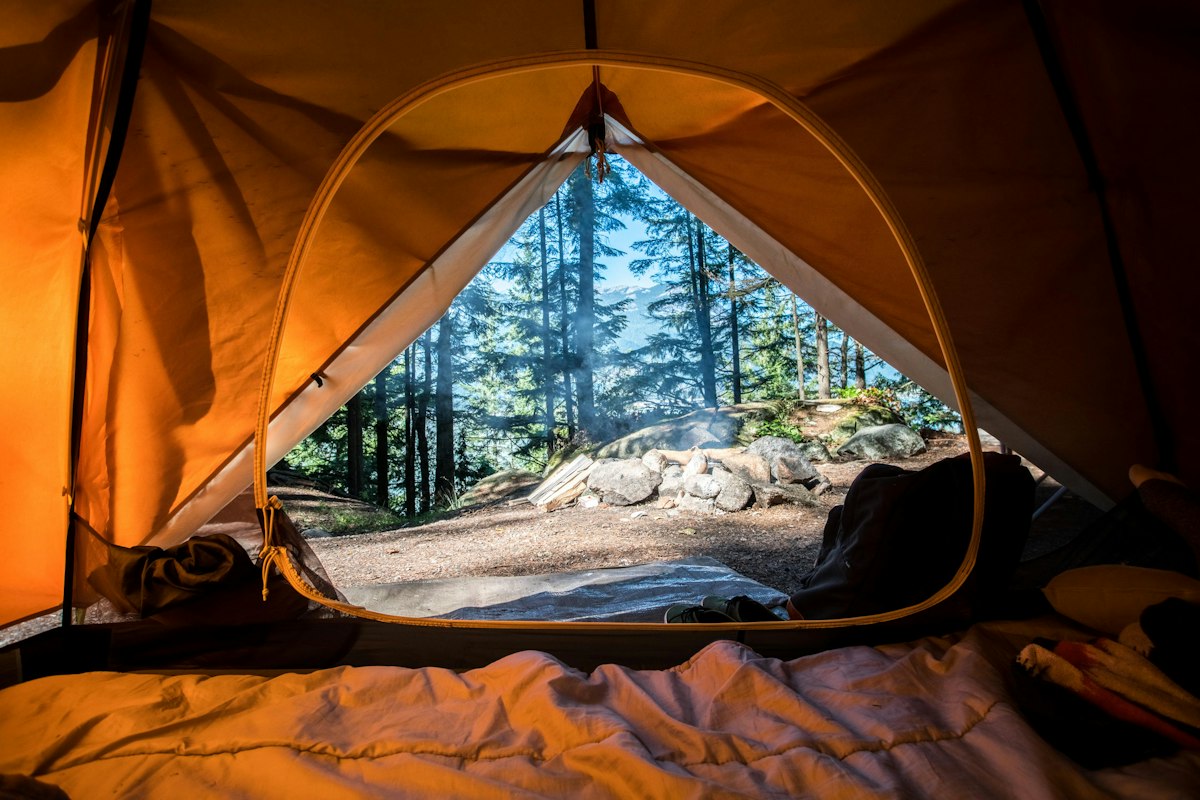
It's 9pm. The sun has just dipped behind the ridge and the temperature has dropped ten degrees in an hour. You set your pack down on a flat patch of short grass, between two granite boulders, sheltered from the wind. Around you, the silence isn't an absence of sound — it's a presence in its own right. High-altitude bivouacking is exactly this: an intimate confrontation with the mountain when everyone else has gone back down.
Preparation is the key to a successful night. A sleeping bag suited to the season (always aim for a comfort rating 5°C lower than the coldest night expected), an insulating sleeping pad to cut contact with the ground, and a lightweight tent or waterproof bivy bag. The total weight of your sleep system shouldn't exceed 1.5kg if you want a pack that remains comfortable over multiple days.
"The mountain is not conquered, it is frequented. And bivouacking is the most sincere form of that frequentation."
Choosing your spot requires discernment. Avoid hollows that concentrate moisture and cold air at night, exposed areas prone to gusts, and the immediate banks of streams in case of a storm. Instead, look for a slightly elevated flat area with a rock at the back to block the prevailing wind. In France, bivouacking is tolerated in most mountain ranges from one hour after sunset to one hour before sunrise — check the specific rules for each national park.
Waking up at a bivouac has no equal. Before you even open your eyes, you hear — or rather, you don't hear. No cars, no air conditioning, no neighbours. Then the light: a quality of dawn that only exists at altitude, a pink-orange hue catching the summits and slowly descending toward the valleys still in shadow. You poke your head out of the sleeping bag, your breath forming small clouds in the cold air, and you realise you are exactly where you were meant to be.
The morning pack-up is a ritual. Leave the spot exactly as you found it — no trace, no litter. The bivouac is a privilege we share with everyone who will pass through after us. This "Leave No Trace" ethic is what ensures these wild spaces remain accessible and preserved for future generations.